If you’ve reached your ATM withdrawal limit, you may wonder when you can withdraw money again. Most banks set daily limits on ATM withdrawals, but those limits reset automatically after a certain time. Understanding when your ATM withdrawal limit resets can help you avoid declined transactions and plan larger cash withdrawals more efficiently. Quick Answer … Read: “ATM Withdrawal Limit Reset Time: When Your Daily Limit Resets”
ATM deposits are convenient, but deposit timing is not always instant. Some deposits appear within minutes, while others remain pending for hours or even multiple business days depending on the deposit type, the bank’s processing system, the ATM location, and when the deposit was made. Many customers expect ATM deposits to work like cash transfers, … Read: “How Long ATM Deposits Take to Process”
Many banks allow customers to deposit cash directly into ATMs, but these machines usually have limits on how much money can be accepted in a single transaction. Some banks also set daily deposit limits based on the account, machine type, and risk controls. If you are planning to deposit a large amount of cash at … Read: “ATM Cash Deposit Limits: How Much Money You Can Deposit at an ATM”
If an ATM keeps your debit card during a transaction, it can feel stressful and confusing, especially if you are far from home, traveling, or need immediate access to cash. In most situations, however, there is a clear reason the ATM captured the card and a standard process for resolving the issue safely. ATMs are … Read: “ATM Ate My Card? What Happens Next and What You Should Do”
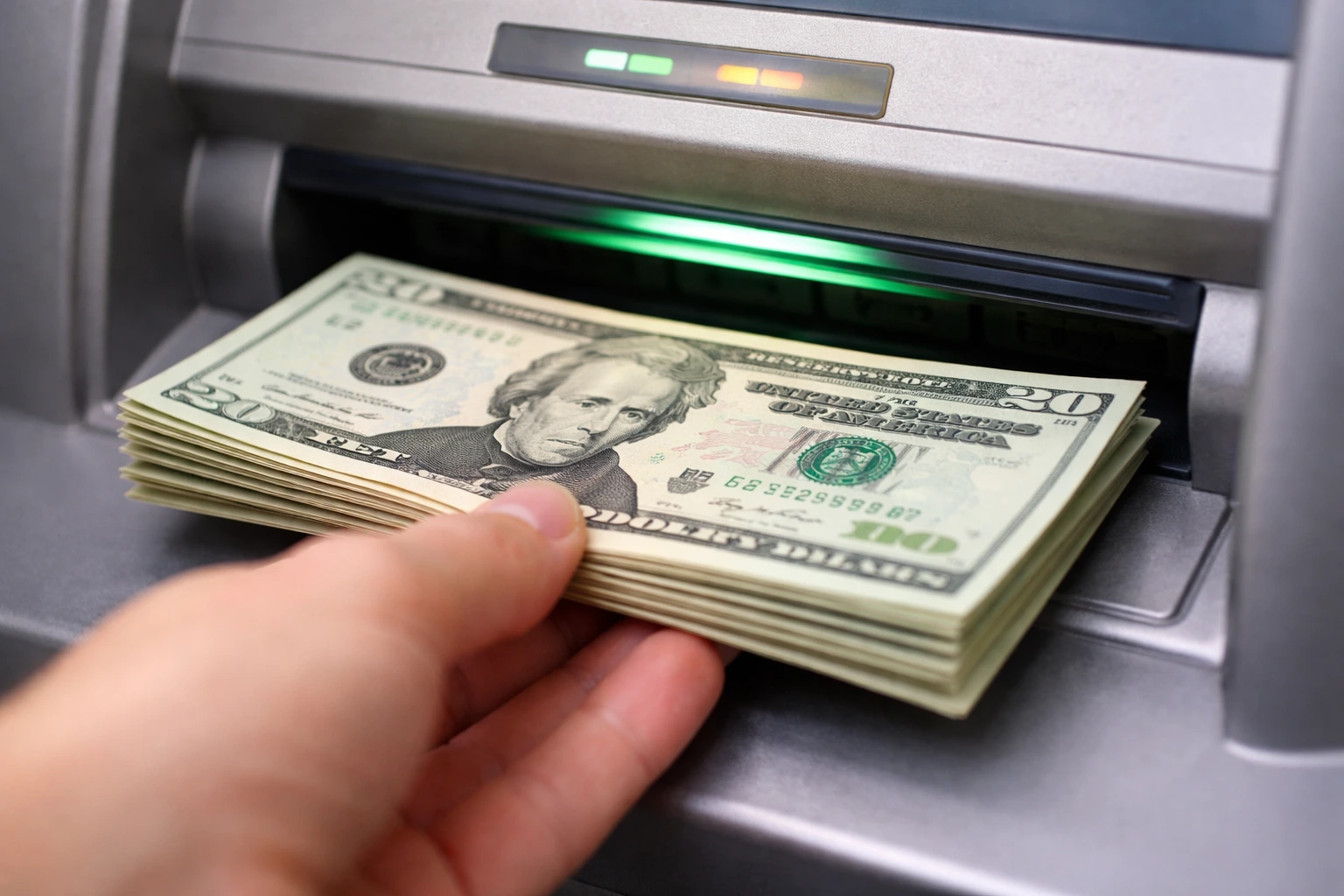
If you have ever withdrawn cash from an ATM, you have probably noticed that most machines dispense $20 bills instead of exact change. This is not random. ATMs are intentionally designed around $20 notes because they provide the best balance between machine capacity, security, servicing efficiency, and everyday withdrawal demand. While some newer Smart ATMs … Read: “Why Do ATMs Give $20 Bills Instead of Exact Change?”
ATM withdrawal fees vary dramatically depending on your bank, account type, and whether the ATM is in-network or out-of-network. This guide compares the ATM fees charged by major U.S. banks—plus the surcharges you may face when using machines outside your bank’s network. Quick answer: Most major banks charge around $2.50 to $3.50 for out-of-network ATM … Read: “ATM Withdrawal Fees by Major Bank: Full Comparison Guide”
ATM fees keep rising, but many banks and credit unions now offer ways to withdraw cash without paying extra—including access to nationwide surcharge-free ATM networks, partner banks, and reimbursed ATM fees. This updated 2026 guide breaks down the banks with the lowest ATM fees and how you can avoid surcharges entirely. Quick answer: The lowest … Read: “Banks With the Lowest ATM Fees: Free & Surcharge-Free Options”
Withdrawing cash from an ATM is convenient, but it comes with risks ranging from card skimming to theft. Fortunately, following a few simple ATM safety tips can help protect you from fraud and keep your money secure. This guide covers everything from choosing the safest ATM locations to spotting scams and using modern security features … Read: “ATM Safety Tips: How to Stay Secure When Withdrawing Cash”
Speedway is one of the most recognizable gas station brands in the United States, with thousands of locations offering fuel, snacks, and ATM access. But what kind of ATMs does Speedway use? Are they surcharge-free? And how can you avoid paying extra fees when you need cash quickly? Quick answer: Many Speedway ATMs are operated … Read: “Speedway ATM Guide: What You Need to Know Before You Withdraw Cash”
Quick answer: The easiest way to avoid Walmart ATM fees is to use cash back at checkout or withdraw from an in-network ATM like MoneyPass or Allpoint. Walmart itself does not operate a single ATM network, so whether the ATM is free depends on your bank, card, and ATM provider. This guide focuses on how … Read: “Walmart Free ATMs Guide: How to Avoid ATM Fees at Walmart”
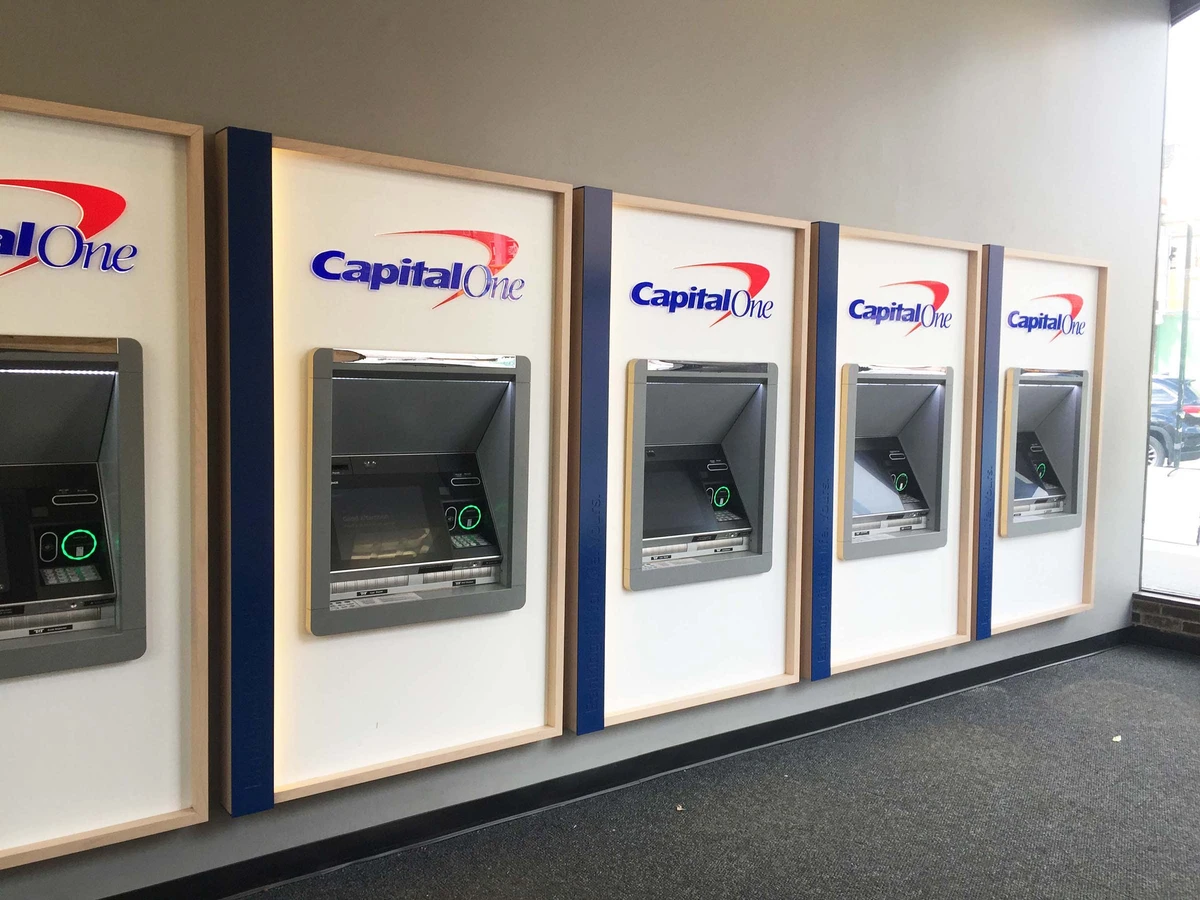
If you have a Capital One debit or credit card, you can access cash through a large network of ATMs across the United States. Capital One customers benefit from surcharge-free withdrawals at thousands of machines, including Capital One and partner network ATMs. Capital One customers can use Capital One ATMs and the Allpoint network to … Read: “Capital One ATM Guide: Limits, Fees, Deposits, and Cardless Access”
If you need cash and cannot find your bank’s ATM nearby, you might wonder whether it is safe or even allowed to use another bank’s machine. The good news is that most debit cards work at thousands of ATMs across the country through shared banking networks. Yes, you can use another bank’s ATM to withdraw … Read: “Can I Use Another Bank’s ATM? Understanding the Rules, Fees & Tips”
Wondering if it costs money to use a Sheetz ATM? The short answer: most Sheetz ATMs are surcharge-free for withdrawals — but your own bank may still charge a small out-of-network fee. This guide explains how Sheetz handles ATM fees, which banks and credit unions offer free access, and how to avoid paying anything extra … Read: “Does Sheetz ATM Charge a Fee?”
Quick answer: Yes, many 7-Eleven ATMs do charge a fee—but it depends on who operates the ATM and whether your bank treats it as in-network or out-of-network. You might pay a surcharge fee at the machine, a separate fee from your bank, or both. With the right card and planning, you can often use 7-Eleven … Read: “Does 7-11 ATM Charge a Fee?”
Quick answer: Yes, many CVS ATMs do charge a fee—but it depends on who owns the ATM and whether your bank treats it as in-network or out-of-network. You may pay a surcharge at the machine, a separate fee from your bank, or both. With the right card and planning, you can often use CVS ATMs … Read: “Does CVS ATM Charge a Fee?”