If you’ve reached your ATM withdrawal limit, you may wonder when you can withdraw money again. Most banks set daily limits on ATM withdrawals, but those limits reset automatically after a certain time. Understanding when your ATM withdrawal limit resets can help you avoid declined transactions and plan larger cash withdrawals more efficiently. Quick Answer … Read: “ATM Withdrawal Limit Reset Time: When Your Daily Limit Resets”
Depositing money through an ATM is convenient, but many customers wonder how long it takes for those funds to become available. The processing time for ATM deposits depends on the deposit type, the bank’s policies, the ATM location, and the time of the deposit. Cash deposits are usually processed faster than check deposits because ATMs … Read: “How Long ATM Deposits Take to Process”
Many banks allow customers to deposit cash directly into ATMs, but these machines usually have limits on how much money can be accepted in a single transaction. Some banks also set daily deposit limits based on the account, machine type, and risk controls. If you are planning to deposit a large amount of cash at … Read: “ATM Cash Deposit Limits: How Much Money You Can Deposit at an ATM”
If an ATM keeps your debit card during a transaction, it can feel alarming. In most cases, however, there is a clear reason the machine retained the card and a straightforward process for resolving the issue. If an ATM keeps your debit card, it usually means the machine detected a security trigger such as multiple … Read: “ATM Ate My Card? What Happens Next and What You Should Do”
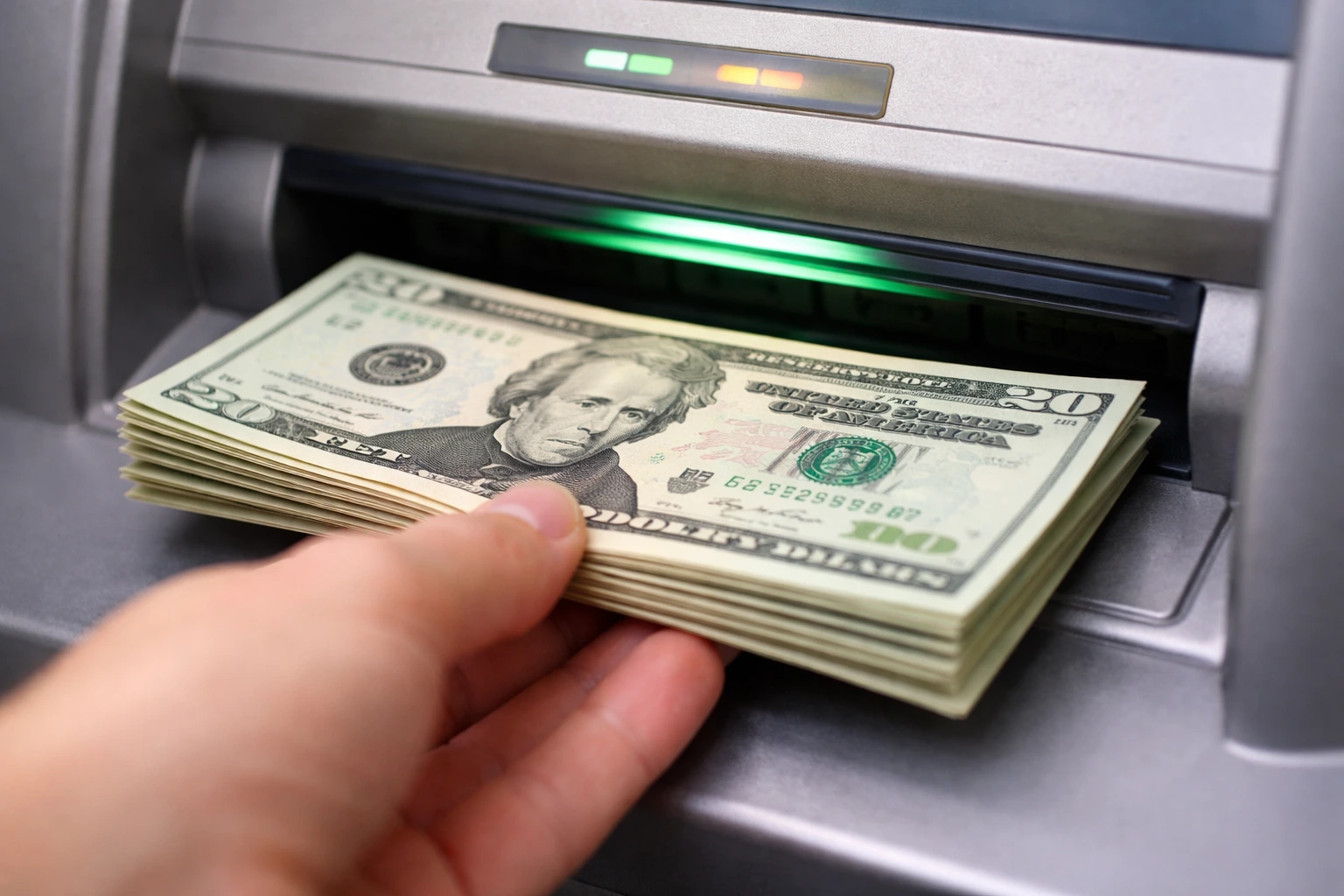
If you have ever withdrawn cash from an ATM, you have probably noticed that most machines dispense $20 bills instead of exact change. This is not random. ATMs are intentionally designed around $20 notes because they provide the best balance between machine capacity, security, and everyday withdrawal needs. While some newer machines allow different denominations, … Read: “Why Do ATMs Give $20 Bills Instead of Exact Change?”
ATM withdrawal fees vary dramatically depending on your bank, account type, and whether the ATM is in-network or out-of-network. This guide compares the ATM fees charged by major U.S. banks—plus the surcharges you may face when using machines outside your bank’s network. Quick answer: Most major banks charge around $2.50 to $3.50 for out-of-network ATM … Read: “ATM Withdrawal Fees by Major Bank: Full Comparison Guide”
ATM fees keep rising, but many banks and credit unions now offer ways to withdraw cash without paying extra—including access to nationwide surcharge-free ATM networks, partner banks, and reimbursed ATM fees. This updated 2026 guide breaks down the banks with the lowest ATM fees and how you can avoid surcharges entirely. Quick answer: The lowest … Read: “Banks With the Lowest ATM Fees: Free & Surcharge-Free Options”
ATM fees are small but add up quickly. Between your bank’s out-of-network charge and a local surcharge, you could easily lose $5 or more per transaction. Fortunately, there are reliable ways to withdraw cash without paying ATM fees—whether you’re home, traveling, or using a digital bank. Quick answer: The easiest ways to avoid ATM fees … Read: “How To Withdraw Cash Without Paying Fees (Smart ATM Strategies)”
Not all ATMs are equally safe. Some are monitored, brightly lit, and regularly inspected, while others may expose you to fraud or theft. This guide helps you find secure ATMs near you, recognize red flags, and use modern safety features so you can withdraw cash with confidence wherever you are. What Makes an ATM Safe … Read: “How to Find the Safest ATMs Near You (Safety Checklist & Smart Tips)”
Need to add cash to your Cash App balance and want to know where to go? Cash App does not support ATM cash deposits, but you can load money at thousands of retail partners using your unique Paper Money Deposit barcode. This guide explains where you can deposit cash, how the process works, limits, fees, … Read: “ATMs That Accept Cash App Deposits Near Me: How to Add Money Fast”
ATM fraud has evolved from simple card skimming to sophisticated digital attacks. Understanding current trends—and how to avoid them—can protect your money and personal data. This guide covers the most common ATM fraud tactics today, how they work, and what you can do to stay safe every time you withdraw cash. The Rise of ATM … Read: “ATM Fraud Trends and Prevention Tips”
Quick answer: Banks like Charles Schwab, Fidelity, and Alliant refund ATM fees automatically, often with monthly caps or unlimited rebates depending on the account. ATM fees can stack up quickly, especially when you use out-of-network machines while traveling or running errands. The good news is that many banks and credit unions will reimburse those fees—sometimes … Read: “How to Get Your ATM Fees Refunded (Bank-by-Bank Guide)”
Hate paying ATM fees? This evergreen guide shows you exactly how to find surcharge-free ATMs in Texas—including which networks to use, banks that reimburse fees, how to get cash back at stores, and smart ways to use cardless/contactless ATMs. For city-specific maps and local tips, visit our Texas ATM hub. What “Surcharge-Free” Actually Means ATM … Read: “Surcharge-Free ATMs in Texas”
Looking for cardless and contactless ATMs in Texas? With more banks offering tap-to-pay and mobile wallet access, finding the right ATM in Texas has never been easier. Whether you’re in Dallas, Houston, or San Antonio, this guide will help you locate secure, convenient, and fee-free ATMs across the state. What Are Cardless and Contactless ATMs? … Read: “Best Cardless & Contactless ATMs in Texas”
Withdrawing a large amount of cash can raise questions about bank reporting rules, federal compliance requirements, and what happens behind the scenes when you request significant sums. Quick answer: Large cash withdrawals are legal, but banks may ask questions, request advance notice, and file reports when a cash transaction exceeds certain federal thresholds. In many … Read: “Large Cash Withdrawals Guide: Reporting Rules, Bank Requirements, and How to Stay Compliant”