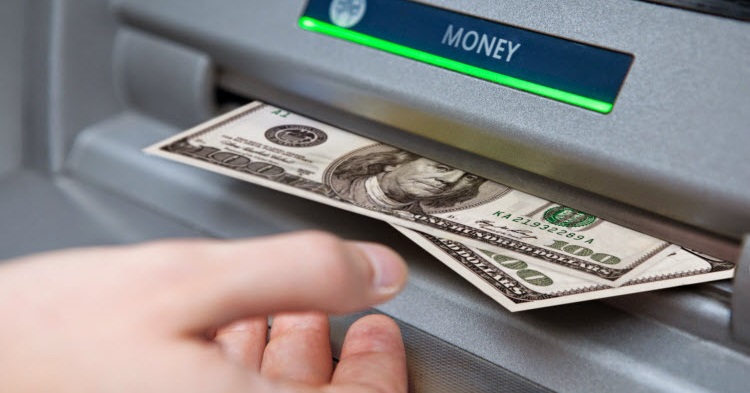
Finding ATMs in Philadelphia is less about availability and more about judgment. The city has thousands of machines, but where you withdraw cash, what time it is, and how much you pay in fees can vary block by block. Philadelphia is walkable in the core, neighborhood-driven outside Center City, and heavily influenced by transit, universities, hospitals, and late-night activity. Locals learn quickly that the “closest ATM” is not always the best one.
If you live here, commute in, or are visiting for work, school, or a game, this guide focuses on how people actually use ATMs in Philadelphia: where fees spike, when 24-hour access matters, how cardless withdrawals work in practice, and which areas feel safer depending on the time of day.
How ATM access works across Philadelphia neighborhoods
Philadelphia does not have one uniform ATM experience. Center City, University City, and major commercial corridors are dense with machines, while residential neighborhoods rely more on corner stores, bodegas, and gas stations. SEPTA riders often grab cash near stations, and late-night withdrawals tend to shift toward convenience-based ATMs with higher fees.
Center City and business districts
Center City has the highest concentration of bank-branded ATMs. Office towers, large retail banks, and hotel lobbies usually have machines that are cleaner, better lit, and more predictable on fees. During business hours, this is where locals try to withdraw cash if they want to avoid surcharges. After hours, access narrows, and people often end up at standalone ATMs with higher fees.
University City and medical campuses
University City is shaped by students, hospital staff, and visitors moving at all hours. ATMs near campuses and hospitals tend to be heavily used, and lines are common. Some banks keep indoor machines available late, but not all are truly 24-hour. Students often rely on network ATMs like Allpoint inside pharmacies or grocery stores to avoid fees.
Neighborhood corridors and residential areas
Outside the core, ATM access becomes more fragmented. Many people use machines inside corner stores or bars, especially at night. These are convenient but often come with higher ATM fees in Philadelphia, sometimes exceeding what people expect if they are used to bank machines. Locals learn which blocks have safer, better-lit options and which to avoid after dark.
ATM fees in Philadelphia and how locals avoid them
ATM fees are one of the biggest pain points in Philadelphia. The city has a high number of independently operated machines, especially in nightlife areas and near transit hubs. These machines often charge a surcharge on top of whatever your bank may add.
People who live here tend to avoid fees by planning withdrawals around their routine. That might mean grabbing cash near work, using a grocery store ATM on the way home, or sticking to known networks. Many residents rely on MoneyPass or Allpoint locations to get fee-free withdrawals without needing to visit their own bank branch.
If you are new to the city, it helps to understand that ATM fees in Philadelphia can change based on time and location. A machine that feels reasonable during the day may feel overpriced late at night when options are limited. Knowing your bank’s withdrawal limits and surcharge rules also matters, especially if you are pulling cash multiple times in a weekend.
Cardless ATMs in Philadelphia: useful, but not everywhere
Cardless ATMs are becoming more common, but coverage in Philadelphia is uneven. Major banks offer cardless withdrawals through mobile apps, yet not every machine supports it. Many neighborhood ATMs and older standalone machines still require a physical card.
People who rely on cardless access usually plan ahead. Downtown and near large bank branches, cardless ATMs in Philadelphia are easier to find. In residential areas, especially late at night, cardless access becomes hit or miss. If this matters to you, it is worth checking your bank’s supported locations in advance or reviewing general guidance on withdrawing cash without a card.
24-hour ATMs in Philadelphia: expectations vs reality
True 24-hour ATMs exist in Philadelphia, but they are less common than people assume. Many bank branches lock their vestibules overnight or limit access after business hours. As a result, late-night withdrawals often shift to convenience stores, gas stations, and bars.
Locals who need cash after midnight usually already know which machines stay accessible. SEPTA-adjacent areas, hospital zones, and certain busy corridors are more reliable. However, these locations may trade lower fees for convenience, and safety becomes a bigger factor late at night.
Safest ATMs in Philadelphia by time and setting
Safety around ATMs in Philadelphia depends heavily on time of day and surroundings. During daylight hours, most high-traffic areas feel fine. At night, locals become more selective.
Well-lit bank lobbies, grocery stores, and pharmacies tend to feel safer than isolated sidewalk machines. Many people avoid outdoor ATMs late at night unless they are in a busy, visible area. Using machines inside stores also reduces the risk of distraction or theft.
Transit-adjacent ATMs
ATMs near SEPTA stations are heavily used, especially during commuting hours. During the day, they are convenient. Late at night, some riders prefer to walk a few extra blocks to a better-lit location rather than use a machine directly next to a quiet station entrance.
Nightlife and event areas
Areas near bars, venues, and stadiums have plenty of ATMs, but fees are often higher. These machines exist because demand is high, not because they are cost-friendly. Locals expect this and factor the surcharge into the decision, especially when splitting tabs or paying cash-only cover charges.
Using ATMs in Philadelphia as a visitor
If you are visiting Philadelphia, your ATM experience will likely depend on where you stay and how you move around. Hotels often have ATMs, but fees vary. Tourist-heavy areas make cash access easy, but not always cheap.
Visitors who want to avoid unnecessary fees often withdraw larger amounts less frequently, rather than making multiple small withdrawals. Planning one stop at a known network ATM can save money compared to using several convenience-based machines.
Practical habits locals use to manage cash
People who live in Philadelphia tend to develop simple habits around cash. They learn which ATMs near home or work are reliable, which ones to avoid, and when it is worth paying a fee for convenience. Many residents also keep an eye on daily withdrawal limits and bank policies, especially if they use cash frequently.
If you want a deeper breakdown of strategies to reduce surcharges anywhere, this guide on how to avoid ATM fees explains the tradeoffs clearly. The same logic applies in Philadelphia, where convenience and cost are often in tension.
When ATM issues happen and what to do
ATM problems do happen in Philadelphia, especially at high-traffic machines. Deposits may take longer to post, machines can run out of cash, or a withdrawal may be delayed. Locals usually wait before panicking, knowing that many issues resolve automatically within a day.
If a machine charges your account without dispensing cash, it helps to document the location and time immediately. Contacting your bank with clear details speeds up resolution, regardless of whether the ATM was bank-owned or independently operated.
Choosing the right ATM in Philadelphia
The best ATM in Philadelphia is rarely just the closest one. It is the one that balances safety, cost, and convenience for your situation. During the day, bank-branded and network ATMs are usually the best choice. At night, convenience may matter more, but understanding the tradeoff helps you avoid surprises.
Whether you are searching for an ATM near me in Philadelphia, looking for fee-free ATMs in Philadelphia, or trying to find a safer option after hours, knowing how locals navigate cash access makes a difference. The city rewards awareness, not assumptions.