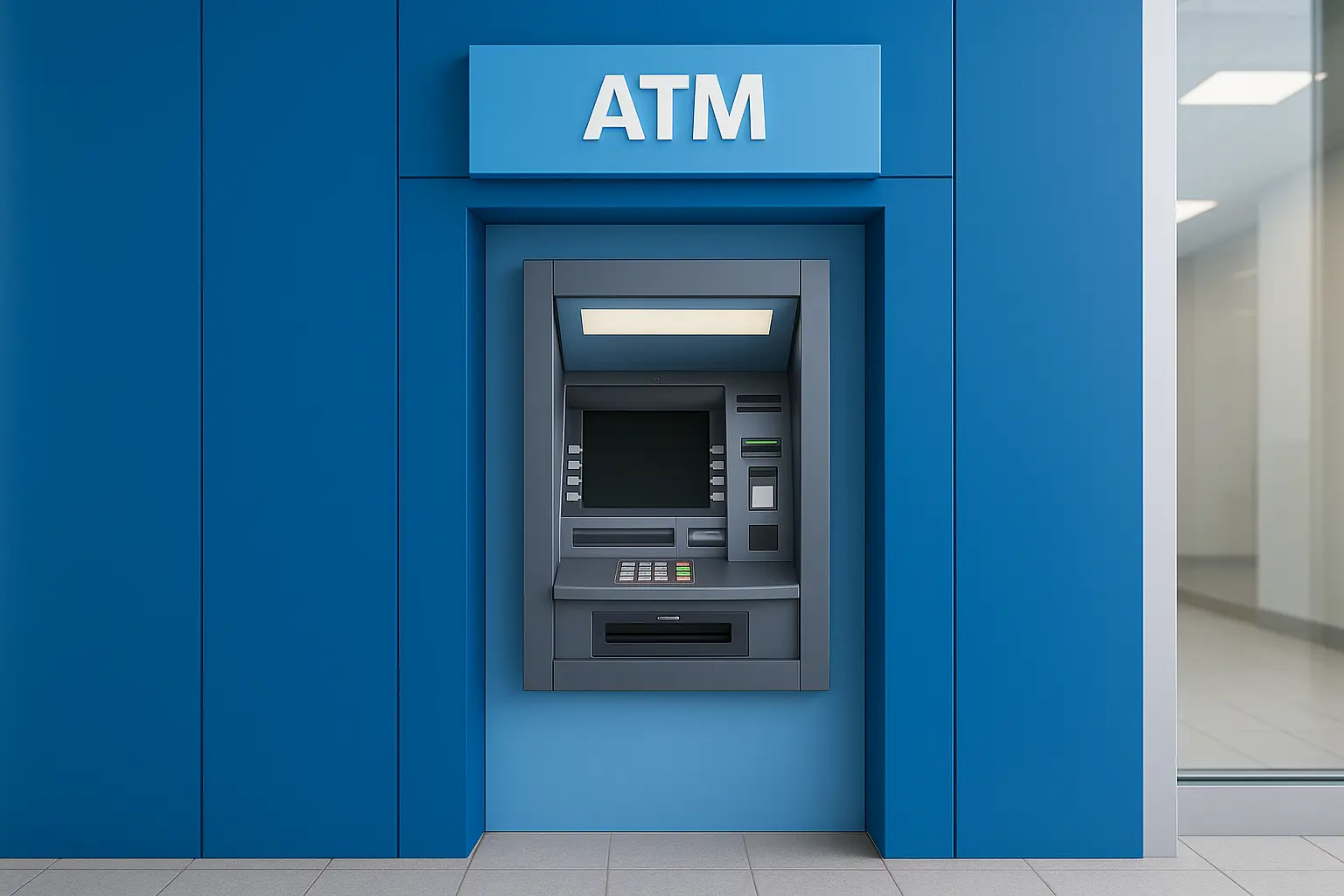
American Express does not operate its own standalone ATM network the way major retail banks do. When you withdraw cash using an American Express card, the transaction is routed through partner ATM networks rather than AmEx-owned machines.
This distinction matters. It affects where withdrawals work, what fees apply, why some machines reject the card, and how limits are enforced. If you are searching for an American Express ATM near you, the key question is not location alone — it is compatibility.
Does American Express Have Its Own ATMs?
No. American Express does not maintain a public branch-based ATM system. Instead, AmEx cards access cash through participating ATM networks and third-party operators. Whether a specific machine works depends on network routing, card type, and withdrawal permissions attached to your account.
Because American Express relies on partner networks, availability varies by machine. Two ATMs on the same street may behave differently depending on configuration and network agreements.
How American Express ATM Withdrawals Actually Work
When you insert an American Express card at an ATM, the machine checks network compatibility and routes the request for authorization. Approval depends on several factors:
- Whether the ATM supports American Express routing
- Your card type (debit vs credit cash advance)
- PIN setup and withdrawal permissions
- Daily withdrawal limits
- Fraud and risk controls
If the machine does not support the appropriate network, the transaction may be declined even if funds are available.
Why Some ATMs Reject American Express Cards
Rejections are usually not random. Common reasons include:
- The ATM operator does not participate in AmEx-compatible networks
- The card is credit-only and cash advance is not enabled
- The PIN was not set or is incorrect
- The machine blocks certain card types
- Fraud prevention systems flag the transaction
If a nearby ATM declines the card, trying a different operator or a bank-hosted machine often produces different results.
Finding a Compatible ATM Near You
Location still matters — especially when you need cash immediately. Because American Express relies on partner machines, availability shifts by neighborhood, retail density, and travel corridors.
The live map above updates based on your location (if enabled). Results may vary as you move between retail zones, downtown districts, and suburban areas.
Where American Express Withdrawals Usually Work
American Express withdrawals most commonly succeed at:
- Retail-hosted third-party ATMs
- Shopping centers and grocery stores
- Airports and transit hubs
- Downtown commercial districts
- Well-lit convenience locations
Dedicated bank branch ATMs may or may not support AmEx routing depending on configuration.
Fees and Cost Considerations
Because most American Express withdrawals occur at third-party machines, fees are common. Charges may include:
- ATM operator surcharge
- Cash advance fee (for credit cards)
- Interest accrual on credit withdrawals
Understanding how ATM fees work can help you decide whether to withdraw immediately or locate a lower-cost option. See ATM fees explained for details.
Withdrawal Limits and Access Rules
Withdrawal limits depend on your card agreement rather than the ATM itself. Debit-linked AmEx products follow daily caps, while credit cash advances may have separate limits and cost structures.
For broader context, see ATM withdrawal limits explained.
Safety and Timing
Because American Express-compatible ATMs are frequently located in retail environments, safety varies by location. Lighting, visibility, and surrounding activity should guide your decision, especially during late hours.
Review ATM safety tips if you are withdrawing cash at night or in unfamiliar areas.